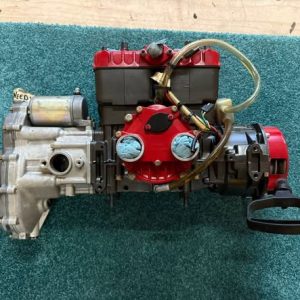
The Rotax 582 “Blue Head” RAVE Engine – Built by Rotax Rick combines familiar Rotax architecture, liquid cooling, compact construction, and installation potential for an appropriately matched light aircraft.
The Rotax 582 Blue Head can provide strong project potential, while broad Rotax 582 Aircraft Engine terminology should not imply compatibility with every airframe or propeller system.
The Rotax 582 Two-Stroke Engine, Rotax 582 Ultralight Engine, Rotax 582 Aviation Engine, and Rotax 582 65HP Engine phrases represent closely related searches for lightweight aircraft propulsion.
Accurate descriptions help customers compare engine condition, accessories, installation needs, maintenance records, and commercial value.
An Experimental Aircraft Engine may also be considered an Ultralight Aircraft Engine or Light Sport Aircraft Engine when the aircraft design, operating rules, weight, power requirements, and installation data support that use.
Why Exact Engine Identification Matters
The seller should provide detailed photographs of the engine from every side, including the data plate, heads, cylinders, carburetors, gearbox, ignition, exhaust ports, and accessories.
Informal build descriptions should not replace invoices, measurements, test results, or detailed builder records.
Understanding the Builder’s Role
Buyers should request invoices, build sheets, photographs, test results, correspondence, and any maintenance recommendations supplied with the engine.
Any remaining break-in requirements, operating limitations, fuel recommendations, or follow-up inspections should be disclosed.
Maintaining Power-Valve Operation
Carbon deposits, sticking components, damaged diaphragms, incorrect assembly, or worn parts can affect system operation.
RAVE-system condition should be included in maintenance and pre-purchase records.
Two-Stroke Aircraft Engine Operation
Its dependable operation depends on correct fuel, lubrication, carburetion, ignition, cooling, exhaust, loading, and maintenance.
Oil lines, pumps, tanks, fittings, filters, and calibration should be inspected when an injection system is installed.
Aircraft Engine Temperature Management
The blue-head configuration is associated with a liquid-cooled cylinder-head system designed to manage engine temperatures through a complete cooling circuit.
Temperature indications should be verified through reliable instruments rather than estimated through engine sound or appearance.
Two-Cylinder Engine Construction
A clean exterior does not reveal the condition of internal rotating and reciprocating components.
The buyer should ask whether the engine has been run since assembly and whether any break-in procedure remains outstanding.
Managing Fuel Flow to Both Cylinders
Float condition, needles, jets, slides, boots, fittings, and fuel lines should be inspected.
The engine should not be run under load until the complete fuel system has been evaluated.
Inspecting Coils, Wiring, and Spark Plugs
Damaged insulation, corroded connections, unsuitable plugs, weak grounds, or failing components can cause misfiring and poor engine operation.
Ignition checks should be completed through controlled procedures appropriate to the engine and aircraft installation.
Matching Engine Speed to Propeller Speed
Different gearbox ratios can influence propeller selection, loading, aircraft performance, and engine operating behavior.
The propeller hub, flange, bolts, adapter, and tracking arrangement should match the gearbox and aircraft installation.
Maintaining Exhaust Connections and Supports
Expansion-chamber geometry, mounting, joints, springs, supports, seals, silencers, and clearances can influence engine behavior and installation reliability.
Mounting should allow suitable support without transferring excessive vibration into the engine or aircraft structure.
Using the Rotax 582 in Light Aircraft
Engine weight should be calculated with here the gearbox, exhaust, radiator, coolant, starter, carburetors, filters, mounts, and other installed accessories included.
Changing from another engine can affect the aircraft’s center of gravity, mount loads, cooling, fuel system, electrical system, propeller, controls, cowling, and operating characteristics.
Power for Kit-Built and Recreational Aircraft
Aircraft-specific evaluation supports responsible Ultralight Aircraft Engine selection.
An Experimental Aircraft Engine installation may require custom mounts, controls, radiator placement, exhaust routing, fuel-system work, instruments, and cowling modifications.
Understanding Installation Responsibilities
The Rotax 582 may power some light sport or sport-aviation aircraft, but this does not make every engine eligible for every aircraft.
The installation should address fuel, cooling, ignition, exhaust, gearbox, propeller, instruments, controls, and emergency procedures.
Tracking Maintenance and Component Life
Complete records improve engine valuation and maintenance planning.
Organized history supports a more informed Rotax 582 Blue Head purchase.
Documenting Start and Operating Behavior
A brief start-up video does not establish performance throughout the full operating range.
Test results should document temperatures, engine speed, ignition checks, coolant behavior, fuel leaks, exhaust condition, and any abnormal indications when appropriate.
Compression, Leak, and Internal Condition Checks
Results should be interpreted using suitable procedures for the exact two-stroke engine configuration.
Any abnormal resistance, noise, corrosion, play, or contamination should be investigated.
Evaluating a Rotax Rick Engine Build
A pre-purchase review should confirm the exact model, serial number, RAVE configuration, builder documentation, engine hours, gearbox, carburetors, ignition, cooling components, exhaust, run-test results, and included accessories.
- Confirm the complete engine model, serial number, Blue Head and RAVE configuration, builder identity, build date, total time, time since build, crankshaft history, and available records.
- Inspect the engine for corrosion, coolant staining, fuel leakage, oil residue, damaged wiring, cracked hoses, loose fittings, impact marks, missing hardware, and unauthorized modification.
- Inspect and photograph the engine immediately after delivery before rotating, testing, disassembling, repairing, mounting, or connecting fuel and electrical systems.
Rotax Engine Packaging Requirements
Loose accessories should be labeled, wrapped, and secured separately.
Preservation records should identify the date, materials used, and any required steps before operation.
Mounting the Blue Head RAVE Powerplant
Professional preparation protects both the engine and aircraft.
The cooling system should be routed and secured to prevent chafing, trapped air, leaks, heat exposure, and contact with moving parts.
Disciplined commissioning protects the Rotax 582 “Blue Head” RAVE Engine – Built by Rotax Rick.
Preventive Ultralight Engine Maintenance
Small leaks, loose hardware, cracked hoses, deteriorated mounts, abnormal deposits, and unusual noise should be addressed promptly.
Unverified replacement parts and undocumented modifications should be avoided.
Choosing a Lightweight Aviation Powerplant
Clean appearance and fresh paint may improve presentation but do not replace mechanical inspection.
Parts support, specialist access, shipping distance, and future maintenance should also influence the purchase decision.
Final Thoughts on the Rotax 582 Blue Head
The Rotax 582 “Blue Head” RAVE Engine – Built by Rotax Rick may suit aircraft builders, sport pilots, gyrocopter operators, powered-parachute owners, restoration specialists, and aviation parts buyers seeking a documented two-stroke engine.
The powerplant should not be judged solely through blue heads, clean paint, a 65HP description, builder recognition, or purchase price.
Whether aviation builders are sourcing an Ultralight Aircraft Engine, Rotax Aviation Engine, or Light Sport Aircraft Engine, professional inspection and installation should precede operational use.
With transparent builder history, protected shipping, correct aircraft fitment, controlled testing, and appropriate break-in procedures, the Rotax 582 can support a professional aviation project.